
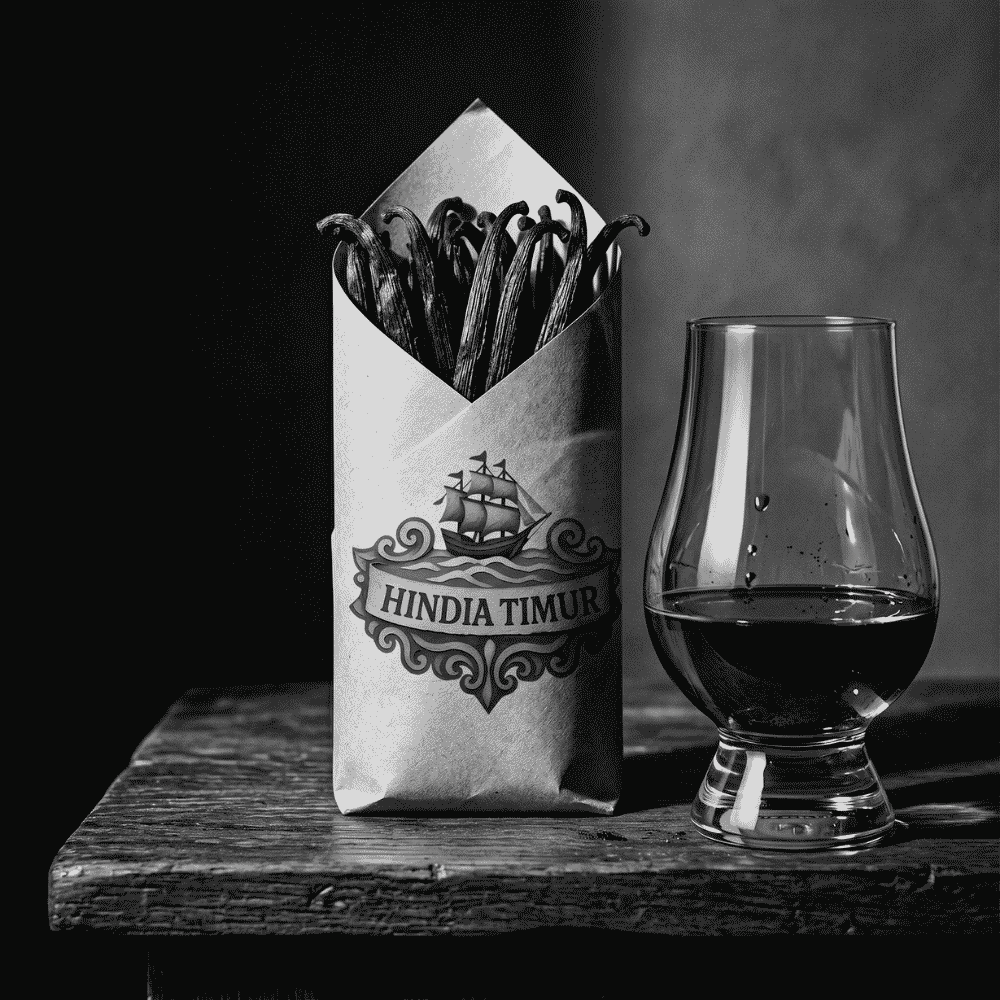
Vanilla is one of the world's most precious spices, valued for its complex flavour and aromatic properties. Yet few people understand the intricate journey from delicate orchid flowers to the premium vanilla beans that grace kitchens and laboratories worldwide. This is the story of Indonesian vanilla sourcing — a tale of patience, skill, and unwavering commitment to quality.
The Vanilla Orchid: A Delicate Beginning
Vanilla comes from the fruit of the vanilla orchid, a tropical climbing plant native to Mexico but now cultivated extensively in Indonesia. Unlike most orchids grown for their flowers, vanilla orchids are valued for their long, slender seed pods — the vanilla beans we know and love.
Growing vanilla orchids requires exceptional skill and patience. The plants need specific conditions: warm temperatures, high humidity, and carefully filtered sunlight. Indonesian farmers have perfected these conditions over decades, creating ideal growing environments in tropical regions like Sulawesi and Java.
Each vanilla flower opens for a single day. In that window, our farmers must hand-pollinate every one. It is the most intimate relationship between farmer and crop you will find in agriculture.
Hand-Pollination: The Art of Precision
One of the most labour-intensive aspects of vanilla cultivation is pollination. In their native habitat, vanilla orchids are pollinated by a specific species of bee found only in Mexico. Since this bee doesn't exist in Indonesia, farmers must pollinate the flowers by hand — a delicate operation requiring years of training.
Using small brushes or toothpicks, skilled workers carefully transfer pollen from the flower's male parts to the female stigma. This must be done at precisely the right time — typically in early morning — and the success rate depends on countless factors including humidity, temperature, and the health of the plant. A single farmer might hand-pollinate hundreds of flowers daily during the blooming season.
The Long Wait: From Flower to Pod
After successful pollination, the vanilla plant begins developing its fruit. This process takes 6–9 months, during which the green pods gradually elongate. Farmers must carefully monitor each plant, ensuring optimal growing conditions and protecting the developing pods from pests and disease.
Harvesting timing is critical. Pods must be picked at precisely the right stage of maturity — too early and they won't develop proper flavour; too late and they may split or deteriorate. Experienced farmers can assess readiness by colour, feel, and subtle aroma changes.
Curing: The Transformation
The real magic happens during curing — a months-long process that transforms green vanilla pods into the dark, aromatic beans we recognise. Indonesian farmers use traditional curing methods refined over generations:
- Blanching: Freshly harvested pods are briefly immersed in hot water to halt the ripening process and prepare them for curing.
- Sweating: Pods are wrapped in blankets and left to sweat in a warm environment, triggering enzymatic reactions that develop flavour compounds.
- Drying: Over several months, pods are gradually dried in the sun and shade, developing their characteristic dark colour and wrinkled appearance.
- Conditioning: Finally, beans are stored in sealed containers where they continue to mature and develop their complex flavour profile.
Quality Control and Grading
Once cured, vanilla beans are carefully graded based on length, moisture content, appearance, and aroma. Premium Grade A beans are longer, more flexible, and have superior flavour. Grade B beans, though slightly shorter, still offer excellent quality at a lower price point.
At Hindia Timur, we work exclusively with farmers who produce Grade A vanilla beans. Our quality control process includes rigorous testing for moisture content, microbial contamination, and flavour profile consistency. Every batch is evaluated by experienced tasters to ensure it meets our exacting standards.
Supporting Farmer Communities
Vanilla farming is incredibly labour-intensive, requiring significant investment and years of experience. By paying premium prices for high-quality beans and providing technical support, we help ensure that Indonesian vanilla farmers can sustain their livelihoods and continue this remarkable craft.
Our partnership with vanilla farmers extends beyond simple transactions. We provide training in sustainable cultivation practices, help facilitate organic certification, and ensure fair compensation that reflects the true value of their work. This commitment strengthens farming communities and preserves traditional knowledge for future generations.