
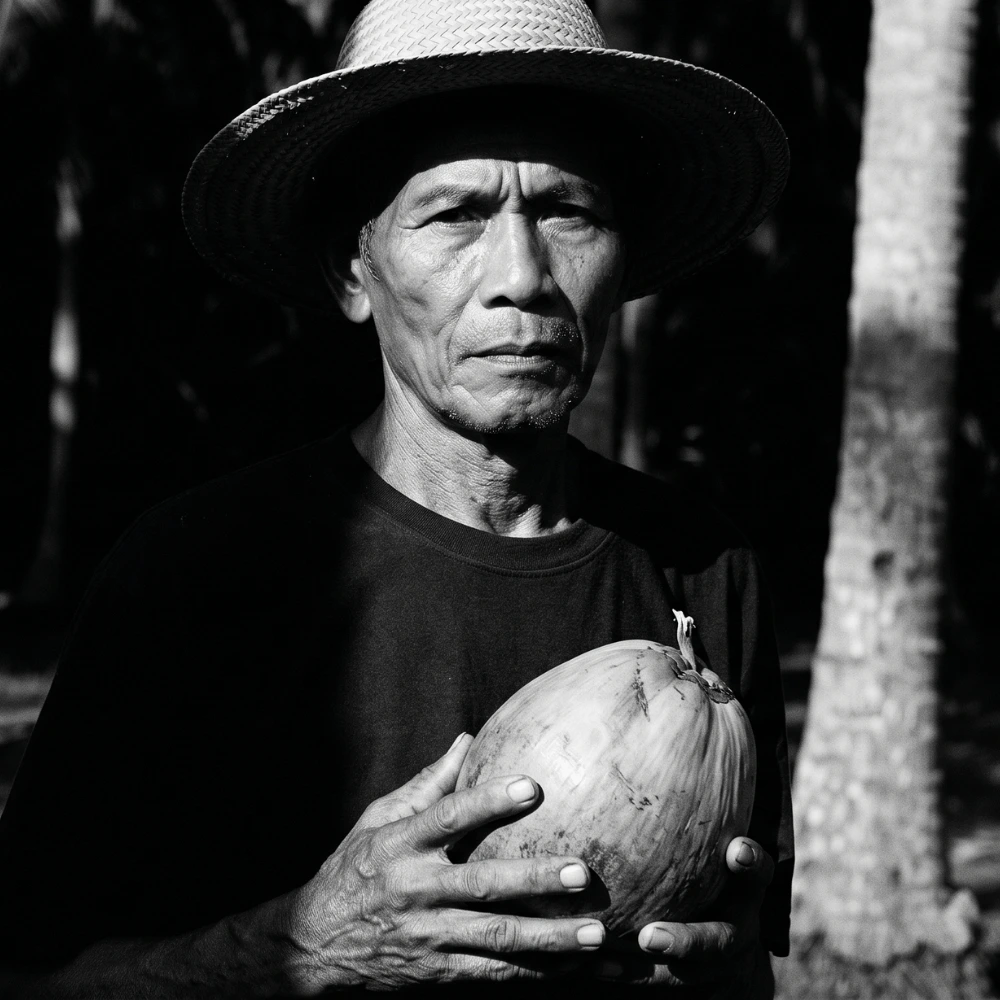
Indonesia's coconut palms have been cultivated for centuries, providing livelihoods for millions of farmers and producing some of the world's finest agricultural products. Today, as global demand for sustainable products continues to rise, Indonesian farmers are pioneering innovative approaches that balance productivity with environmental stewardship.
The Traditional Foundation
Coconut palm farming in Indonesia is deeply rooted in tradition. For generations, farmers have understood the delicate balance required to maintain healthy soil, manage water resources, and protect the biodiversity of tropical ecosystems. This traditional knowledge forms the foundation of modern sustainable practices.
The coconut palm is a remarkably resilient crop, thriving in Indonesia's tropical climate and volcanic soil. However, intensive farming practices can deplete soil nutrients and reduce biodiversity. Forward-thinking farmers are now combining traditional wisdom with modern agricultural science to create truly sustainable systems.
The coconut palm doesn't just produce fruit — it anchors entire ecosystems. When we farm it well, we're not just growing a crop; we're maintaining a way of life that has sustained communities for generations.
Key Sustainable Practices
Several innovative practices are transforming coconut palm farming across Indonesia:
- Intercropping Systems: Farmers are planting complementary crops between coconut palms, improving soil health and creating additional income streams while reducing the need for chemical fertilizers.
- Water Management: Improved irrigation techniques and rainwater harvesting systems ensure efficient water use while maintaining soil moisture during dry seasons.
- Organic Pest Management: Natural predators and biological controls replace harmful pesticides, protecting both crops and local ecosystems.
- Soil Conservation: Mulching, composting, and minimal tillage practices preserve soil structure and increase organic matter content.
- Biodiversity Protection: Farmers maintain native vegetation and wildlife corridors to support local ecosystems and pollinator populations.
Economic Benefits for Farmers
Sustainable practices aren't just good for the environment — they're economically beneficial for farmers. By reducing input costs through fewer chemical fertilizers and pesticides, improving soil health leading to better yields, and accessing premium markets for certified sustainable products, farmers can increase profitability while building long-term resilience.
Many Indonesian coconut farmers have achieved organic certification, opening access to international markets willing to pay premium prices for sustainably-sourced products. This creates a powerful incentive for continued investment in sustainable practices.
Community and Cultural Impact
Sustainable farming practices strengthen rural communities by providing stable, profitable livelihoods that keep families on the land, preserving traditional agricultural knowledge and cultural practices, creating opportunities for younger generations to see farming as a viable career, and supporting local economies through reduced dependence on expensive imported inputs.
Our Commitment
At Hindia Timur, we partner exclusively with farmers who embrace sustainable practices. We provide technical support, facilitate organic certification, and ensure fair prices that reward their commitment to environmental stewardship. By sourcing from these dedicated farmers, we help preserve Indonesia's agricultural heritage while delivering premium products to global markets.
The future of Indonesian agriculture depends on the choices we make today. By supporting sustainable farming practices, we're investing in thriving communities, healthy ecosystems, and exceptional products that will benefit generations to come.